-
What Parts of Qualitative Research Should Never Be Automated?
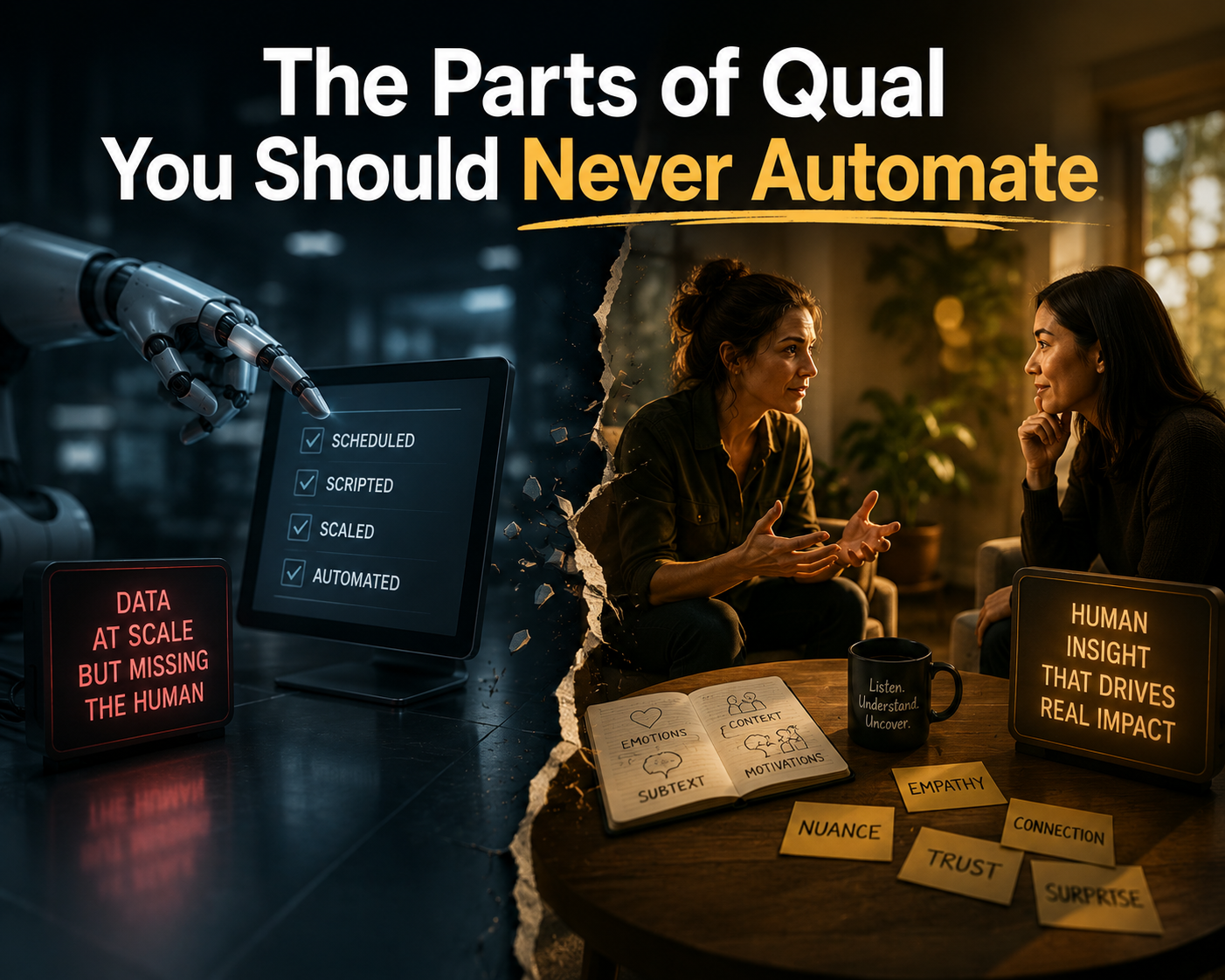
AI is rapidly becoming part of every research workflow. The real question isn’t “Should we use it?”It’s “Where does it actually belong?” Because while AI is powerful, not every part of qualitative research should be handed over to it. What AI Should Own There’s no denying the efficiency AI brings. It excels at: These are…
Why Most Brand Audits Miss Reality & How to Turn Them Into Growth Engines

Most brand audits answer a familiar question: “What do people think about us?”Very few answer the more important one: “How do we actually show up in people’s lives?” That gap is where growth is either unlocked or quietly lost. The Limits of Traditional Brand Audits Traditional brand audits are built on structured inputs surveys, recall-based…
The Hidden Cost of Scheduling: Why Busy Consumers Are Harder to Reach Than Ever
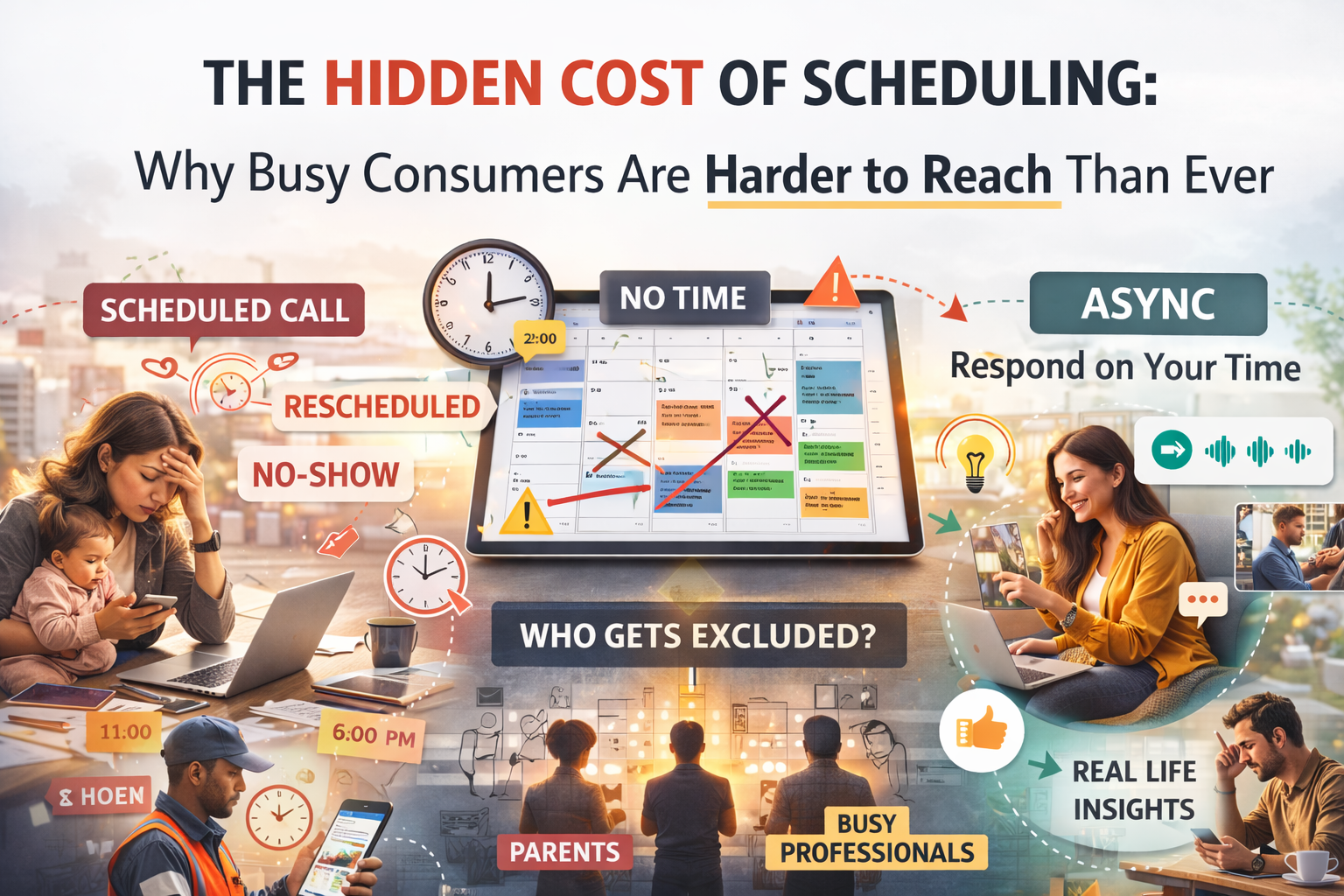
I. The Scheduling Problem No One Talks About There’s a quiet tension shaping modern research one that rarely appears in methodology discussions but shows up clearly in fieldwork reality. Participation in live research is getting harder. Recruiters report rising no-show rates. Calendars fill up weeks in advance. Sessions get rescheduled, shortened, or squeezed between meetings.…
Micro-Moments, Macro Insights: Studying Life as It Actually Happens

I. The Problem with “Big Picture” Research For decades, research has prioritized the “big picture.” We ask consumers to summarize their preferences, describe their typical behaviors, and explain their decision-making processes in neat narratives. We analyze averages, segment profiles, and journey maps that smooth complexity into clarity. But life doesn’t happen in summaries. Most traditional…
Why Mobile Ethnography Is Finally Having Its Moment
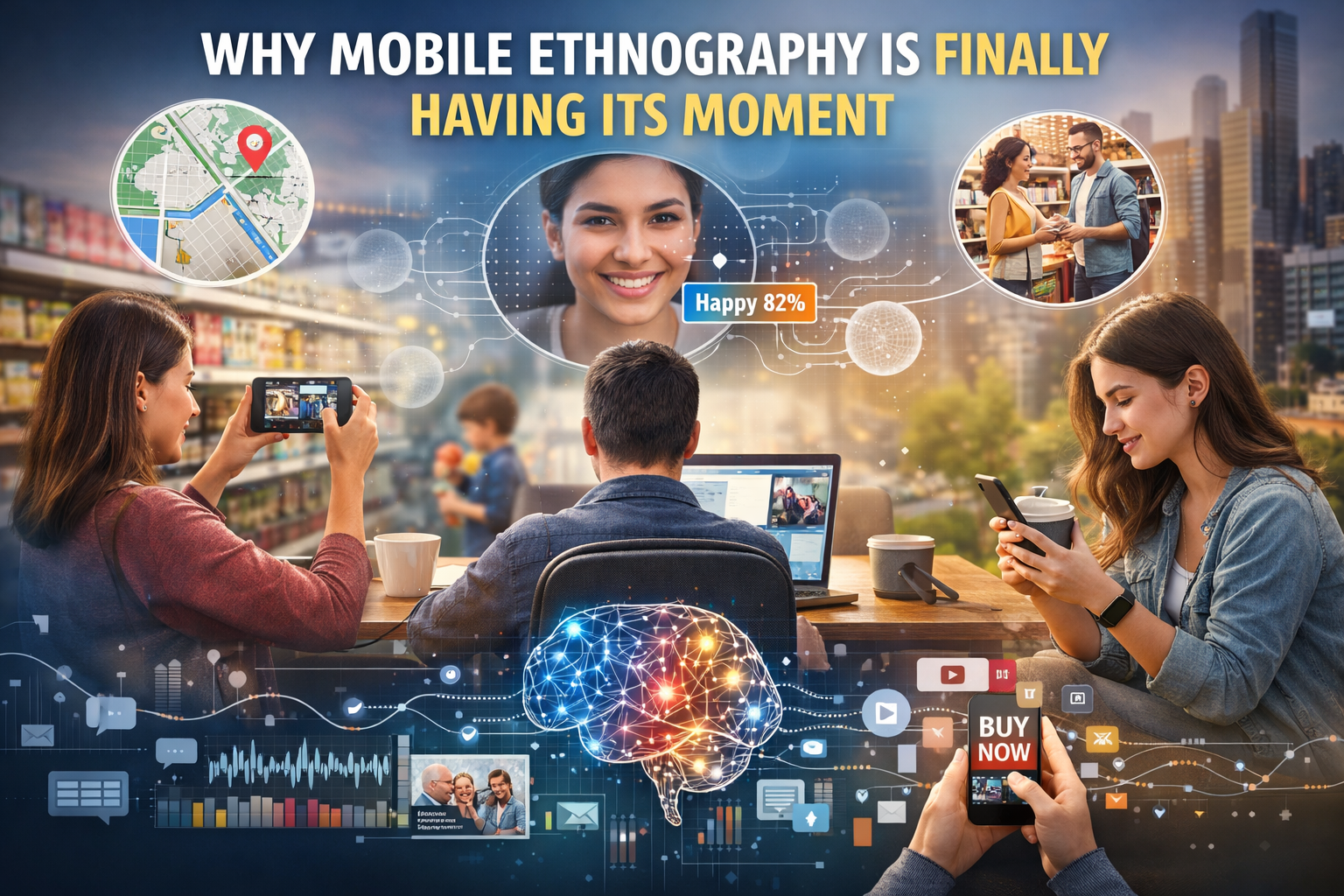
I. Mobile Ethnography Isn’t New—So Why Now? Mobile ethnography has been around far longer than many assume. Early versions appeared in the form of SMS-based diaries, digital photo journals, and even clunky app-based logging tools in the late 2000s. Researchers saw the potential immediately: what if participants could document their lives as they lived them,…
The Researcher’s New Role: From Data Collector to Strategic Storyteller
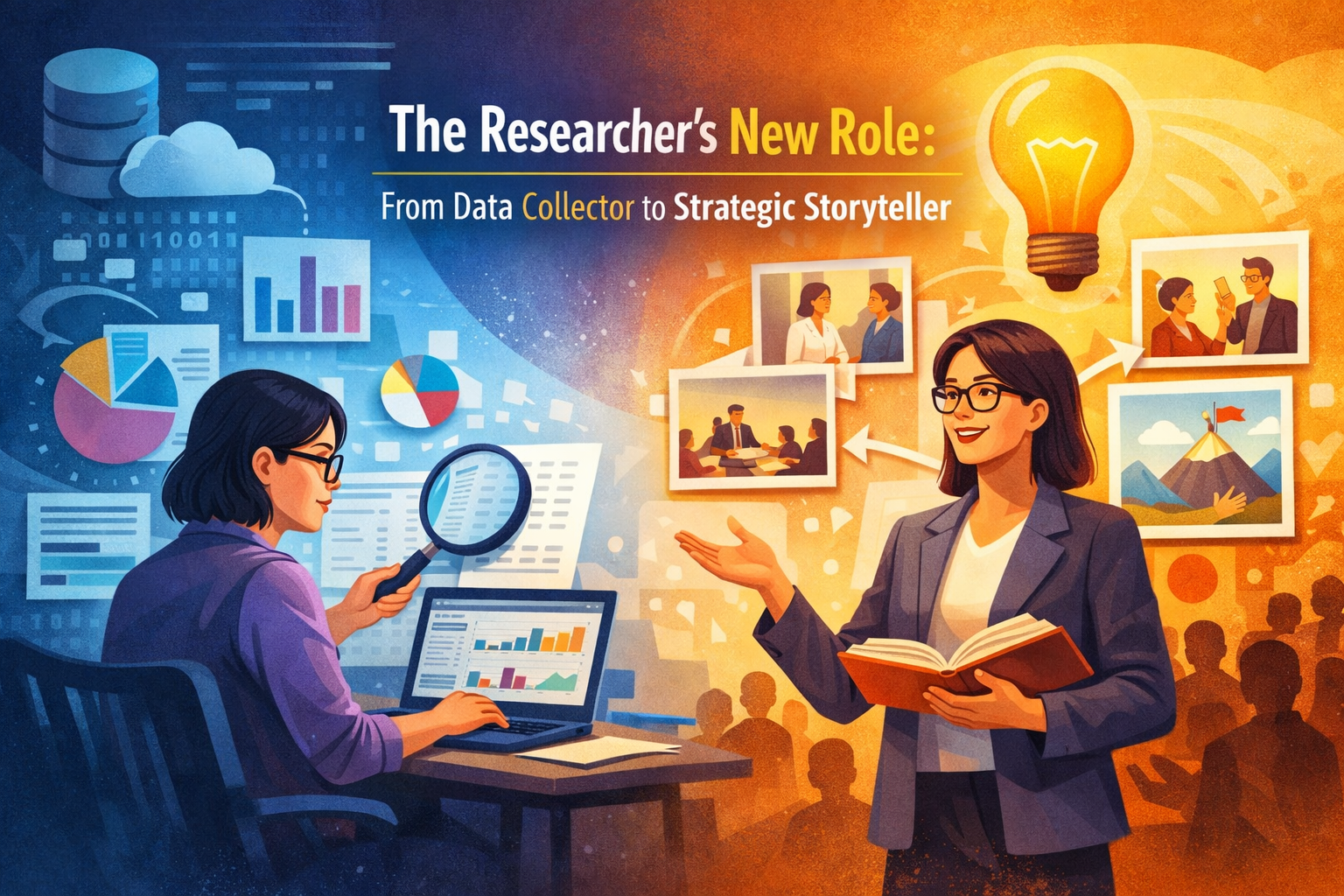
From Running Studies to Driving Strategy For decades, the role of the researcher was well defined and relatively contained. Design a study. Collect the data. Analyze the results. Deliver the findings. Move on to the next project. That model worked when data was scarce, timelines were long, and insights teams were the primary gatekeepers of…
How CMOs Are Using Consumer-Generated Content to Inspire Better Creative
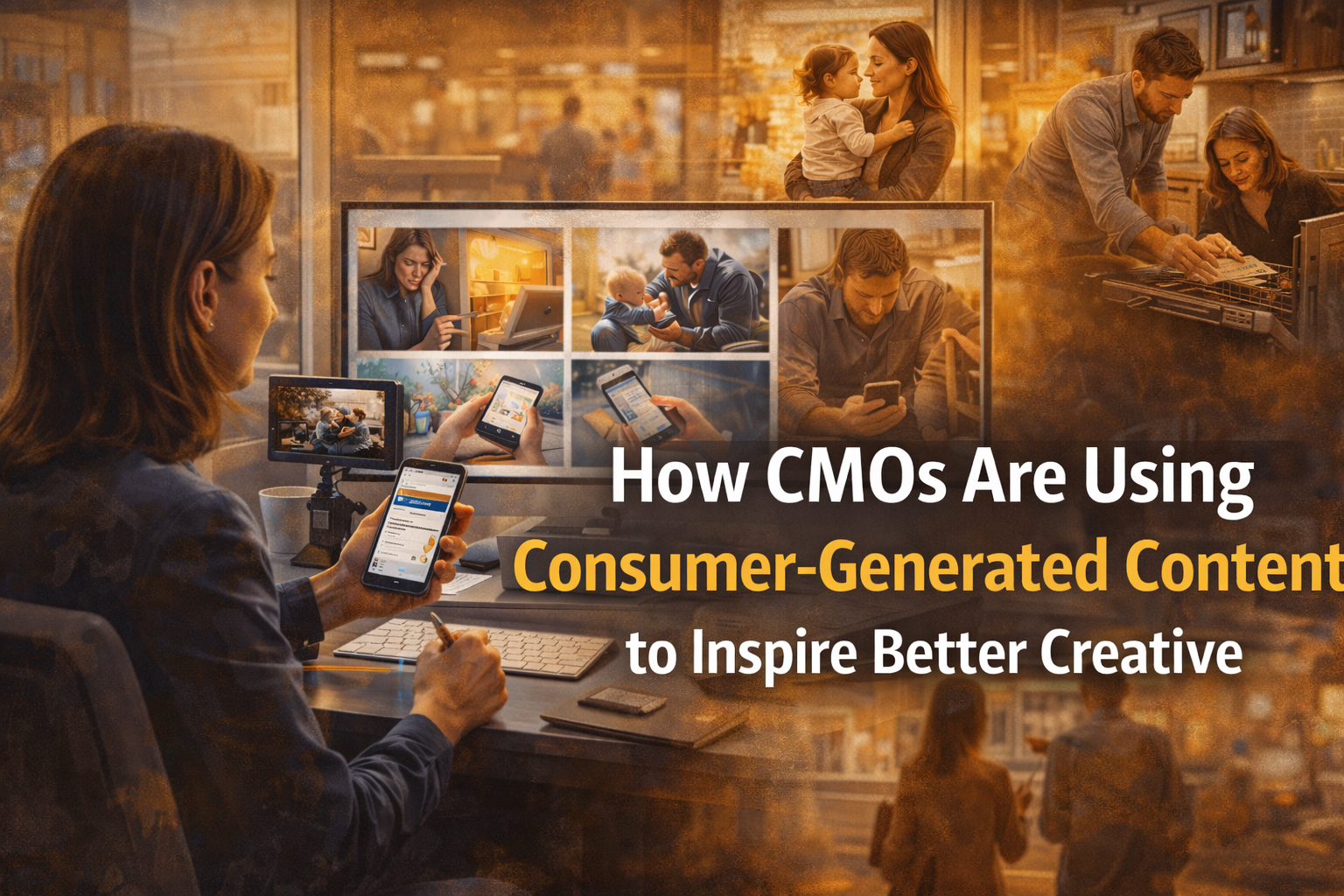
For years, creative inspiration has followed a familiar path. A brand brief. A set of personas. A deck of trends. A few carefully selected quotes from research. Then the creative work begins often several steps removed from the real people it’s meant to reach. Today, many CMOs are questioning that model. In a world where…
The Hidden Moments Traditional Research Misses (and Why They Matter)
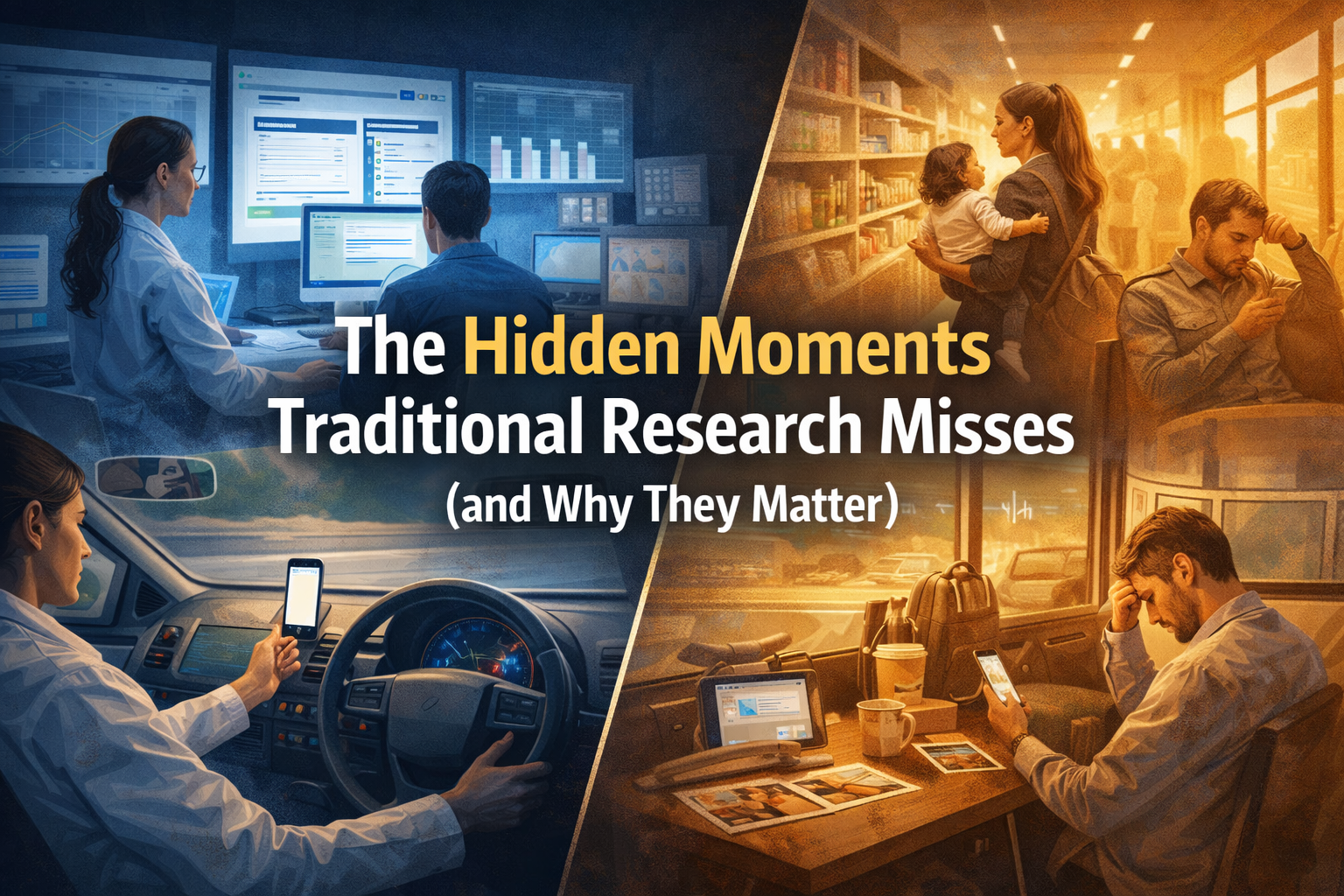
Surveys are structured. Screen recordings feel detailed and precise. Together, they create the comforting sense that we’re seeing the full picture.But we’re not. Most human behavior doesn’t happen neatly within research environments. It happens in between tasks, outside interfaces, and in moments people rarely think to mention. These are the hidden moments and they are…
From Dashboards to Stories: Why Stakeholders Aren’t Acting on Research

Insights teams have never been more productive. Dashboards update in real time. Reports are richer, cleaner, and more statistically robust than ever before. And yet, a familiar frustration lingers across organizations: stakeholders nod in meetings, praise the work, and then… nothing happens. No decisions change. No strategies shift. No products evolve. This is the paradox…
How Travel Brands Use Mobile Ethnography to See the Traveler’s Journey
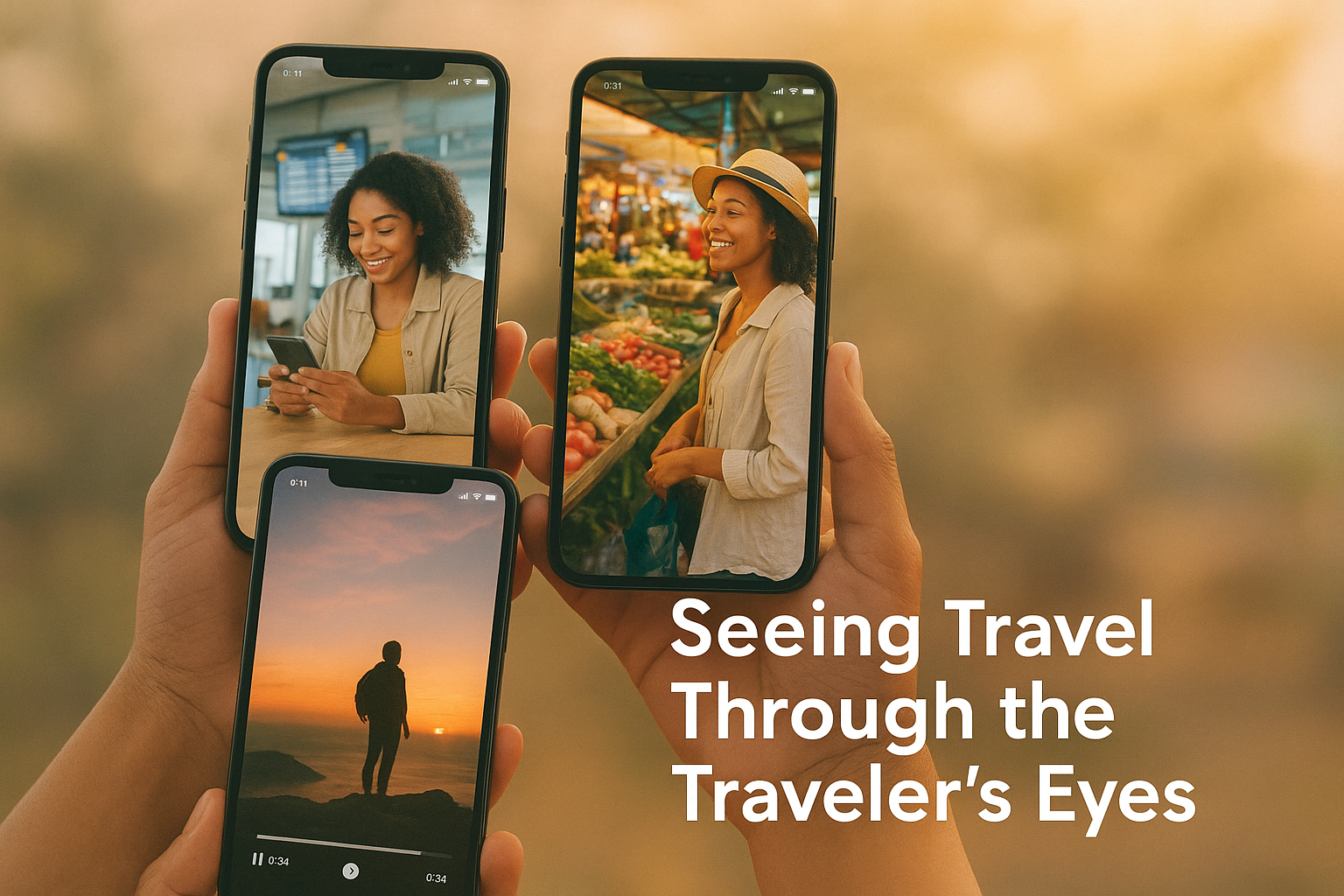
Travel is one of the most emotional and storytelling-rich categories anticipation, discovery, connection, and nostalgia all rolled into one. Yet, most travel research happens after the trip, missing the real highs and lows. Mobile ethnography changes that, allowing tourism boards and travel brands to follow travelers’ journeys in real time from planning to posting. Travel…